


by Justin Morgan (https://unsplash.com/@justin_morgan)
Home automation refers to the use of advanced technology to control various functions within your home seamlessly. Whether it’s lighting, security, climate control, or entertainment systems, automation brings all these elements together under one roof, providing a cohesive and efficient living experience. The rise of IoT (Internet of Things) solutions has made integrating different devices not only possible but also highly efficient and user-friendly. This interconnectedness allows homeowners to manage their homes remotely, offering a level of control and personalization that was unimaginable a few years ago.
The Role of IoT in Smart Homes
IoT solutions are the backbone of smart home integration, playing a crucial role in creating a seamless and interconnected living environment. By connecting various devices and allowing them to communicate with each other, IoT facilitates a comprehensive and efficient home management system. For instance, your thermostat can communicate with your lighting system to adjust settings based on your daily routine, thereby optimizing energy use and enhancing comfort. Furthermore, the continuous advancements in IoT technology are paving the way for more innovative applications, expanding the potential of smart homes beyond current capabilities and enabling a more intuitive living experience.
Voice-Controlled Homes
Voice-controlled homes have become a reality, thanks to groundbreaking advancements in technology. With devices like Amazon Alexa, Google Assistant, and Apple’s Siri, homeowners can control almost every aspect of their homes with simple voice commands, making daily tasks more manageable and convenient. This technology is particularly beneficial for those with mobility issues or busy lifestyles, as it allows for hands-free operation of various home functions, from adjusting the thermostat to playing music or setting reminders.
Benefits of Voice-Controlled Devices
Voice-controlled devices offer numerous benefits, including unmatched convenience and accessibility. They allow you to manage your home even when your hands are full, making everyday tasks easier and more efficient. Moreover, they can be integrated with other smart devices to create a fully automated home environment, further enhancing functionality and ease of use. As these devices become more sophisticated, their ability to understand and execute complex commands is improving, providing users with a more seamless and personalized experience. Additionally, voice-controlled technology continues to evolve, with improvements in natural language processing making interactions more intuitive and human-like.
Connected Home Devices
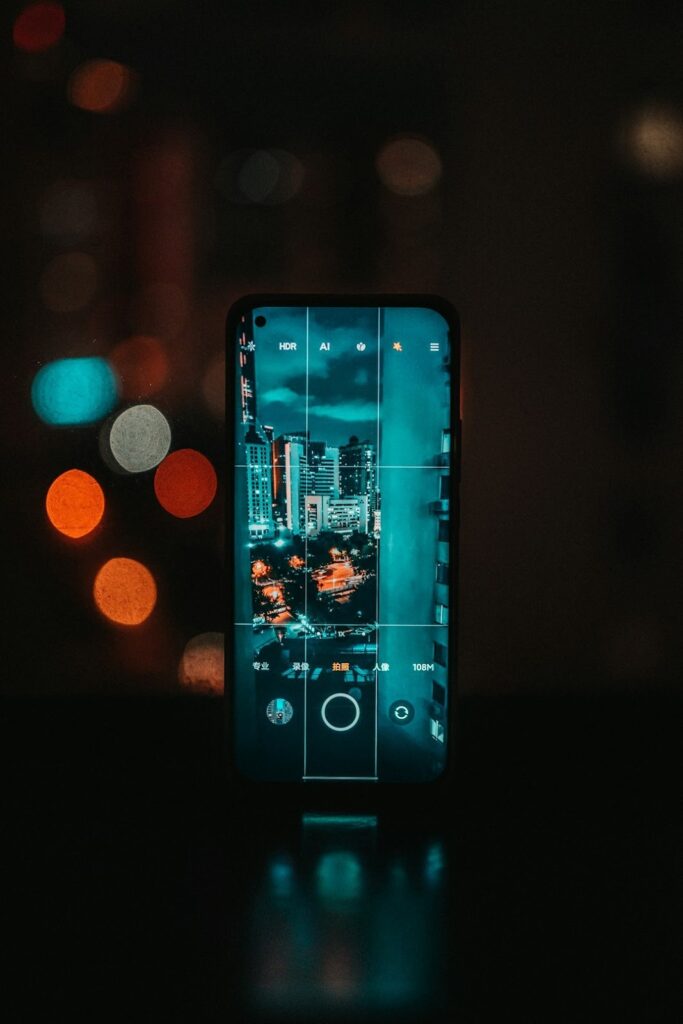
by ZHENYU LUO (https://unsplash.com/@mrnuclear)
Connected home devices are at the heart of smart home integration, forming the foundation upon which a smart home is built. These include smart thermostats, lighting solutions, security cameras, and more, each designed to enhance efficiency and convenience. The key to a successful smart home is ensuring that these devices work together seamlessly, providing a unified system that enhances the overall living experience. This interconnectedness not only simplifies daily routines but also allows for more sophisticated automation scenarios, tailored to individual preferences and needs.
Smart Lighting Solutions
Smart lighting solutions are a popular choice for many homeowners due to their versatility and energy efficiency. They allow you to control the brightness and color of your lights, set schedules, and even create mood lighting for different occasions. Smart bulbs can also be controlled remotely via smartphone apps, providing greater flexibility and control over your home environment. These systems can be programmed to mimic natural daylight cycles, promoting better sleep patterns and overall well-being. Furthermore, by integrating with other smart devices, smart lighting can respond dynamically to changes in your environment, such as adjusting automatically when you enter or leave a room.
Automated Climate Control
Automated climate control systems offer both enhanced comfort and significant energy efficiency. Smart thermostats learn your habits and adjust temperatures accordingly, ensuring your home is always at the optimal temperature without unnecessary energy consumption. They can also be controlled remotely, giving you the ability to adjust settings on the go, whether you’re at work or on vacation. This level of control not only reduces energy bills but also minimizes environmental impact, making your home more sustainable. Additionally, these systems can integrate with weather forecasts to preemptively adjust settings in anticipation of temperature changes, further optimizing energy use.
Smart Security Systems
Security is a top priority for any homeowner, and smart security systems provide peace of mind with advanced features and capabilities. These systems include smart locks, cameras, motion sensors, and more, all designed to offer comprehensive home protection. They can be monitored and controlled remotely, ensuring your home is always protected, whether you’re inside or away. This remote accessibility allows for real-time monitoring and immediate response to any security threats, enhancing both safety and convenience.
Features of Smart Security Systems

by Zulfugar Karimov (https://unsplash.com/@zulfugarkarimov)
Smart security systems offer an array of features like real-time alerts, remote monitoring, and seamless integration with other smart devices. For instance, if a security camera detects motion, it can automatically trigger lights to turn on and send an alert to your phone, allowing for quick action. These systems can also be equipped with facial recognition and AI-powered analytics, providing more accurate and reliable security measures. Moreover, smart security solutions often include emergency response capabilities, such as automatically contacting authorities in case of a break-in, ensuring a swift and effective response to potential threats.
Energy-Efficient Technology
Smart home integration goes beyond convenience; it also promotes energy efficiency, making it a pivotal component of sustainable living. By optimizing the use of appliances and systems, smart homes can significantly reduce energy consumption, lowering utility bills and environmental impact. This is achieved through intelligent management and automation of home systems, ensuring they operate only when needed and at optimal efficiency.
Energy Savings with Smart Home Systems
Home automation systems can lead to substantial energy savings, contributing to both financial savings and environmental conservation. For example, smart thermostats can reduce heating and cooling costs by learning your schedule and adjusting temperatures accordingly, minimizing unnecessary energy use. Similarly, smart lighting systems can ensure lights are only on when needed, further reducing electricity consumption. These systems also provide detailed energy usage reports, allowing homeowners to identify areas for improvement and make informed decisions about their energy consumption habits.
The Future of Smart Homes
The future of smart homes is incredibly promising, with continuous advancements in technology driving innovation and new possibilities. As more devices become connected and IoT solutions evolve, the potential for home automation continues to expand, offering unprecedented levels of convenience and efficiency. Custom homes can now be designed with smart technology built-in, offering a fully integrated living experience that is tailored to individual needs and preferences. This evolution is not only making smart homes more accessible but also more adaptable to future technological developments, ensuring they remain relevant and functional for years to come.
Getting Started with Smart Home Integration
If you’re considering smart home integration, it’s important to start by assessing your needs and budget to ensure a successful implementation. Identify the areas where automation can have the most impact, such as security, lighting, or climate control, and prioritize these in your planning. Research different systems and devices, considering factors such as compatibility, scalability, and ease of use. It’s also wise to consider consulting with a professional to ensure seamless integration and optimal performance of your smart home system.
Tips for Successful Smart Home Integration
- Prioritize Compatibility: Ensure all your devices are compatible and can communicate with each other, creating a cohesive system that functions seamlessly.
- Plan for Scalability: Choose systems that allow for future expansion as technology evolves, ensuring your smart home remains up-to-date and functional.
- Focus on Security: Protect your network with strong passwords and consider investing in cybersecurity measures to safeguard your smart home from potential threats.
- Seek Professional Guidance: If you’re unsure where to start or how to implement smart home technology effectively, consult with a smart home professional for personalized advice and recommendations.
Conclusion
Smart home integration is reshaping modern living by offering unparalleled convenience, enhanced security, and energy efficiency. Whether you’re looking to automate climate control, bolster security, or simply enjoy the convenience of voice-controlled devices, the opportunities for enhancing your living environment are vast and varied. By embracing smart home technology, you can create a more connected and sustainable living environment that enhances your quality of life.
With the right approach and careful planning, smart home integration can transform your living space, making everyday life more comfortable, efficient, and enjoyable. Take the first step today and explore the limitless possibilities that smart home technology has to offer, paving the way for a more innovative and sustainable future.