

Creating a beautiful outdoor space doesn’t have to come at the expense of the environment. Sustainable landscaping offers a way to design and maintain your garden that respects and protects natural resources. This approach not only enhances the aesthetic appeal of your outdoor area but also contributes to environmental conservation. Let’s delve into the principles of sustainable landscaping and discover how you can create an eco-friendly outdoor space.
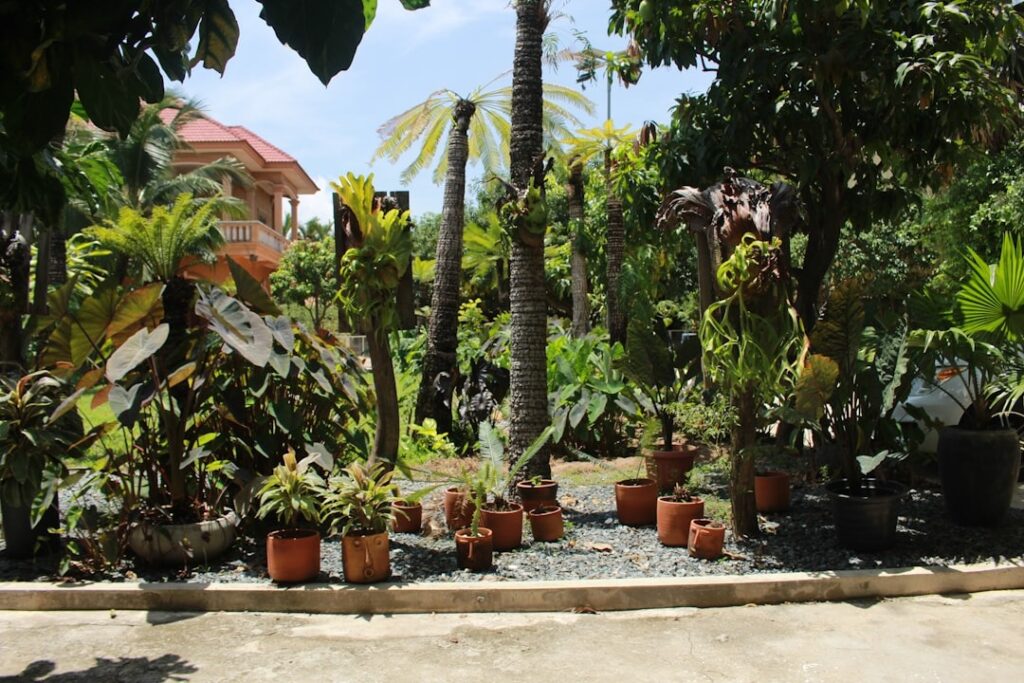
by Bunly Hort (https://unsplash.com/@bunly1998)
Sustainable landscaping is a method of designing and maintaining gardens that are environmentally friendly and resource-efficient. It involves the use of practices that conserve water, reduce waste, and minimize the use of chemicals. By adopting sustainable landscaping techniques, you can create a garden that is not only beautiful but also beneficial to the environment.
Key Principles of Sustainable Landscaping
- Water Conservation: Implementing water-efficient gardens is a cornerstone of sustainable landscaping. This involves using drought-tolerant landscaping techniques, such as xeriscaping, which minimizes the need for irrigation.
- Use of Native Plants: Incorporating native plants in your garden design is crucial. These plants are adapted to the local climate and soil conditions, making them easier to care for and less resource-intensive.
- Soil Health: Maintaining healthy soil through organic practices ensures that your garden thrives. Composting and mulching are excellent ways to enrich soil naturally.
- Eco-Friendly Hardscaping: Choosing sustainable materials for walkways, patios, and other hardscaping features reduces environmental impact. Consider using recycled materials or permeable paving that allows water to penetrate the ground.
- Wildlife Habitat: Designing spaces that support local wildlife, such as birds and pollinators, enhances biodiversity and contributes to a balanced ecosystem.
Drought-Tolerant Landscaping and Xeriscaping
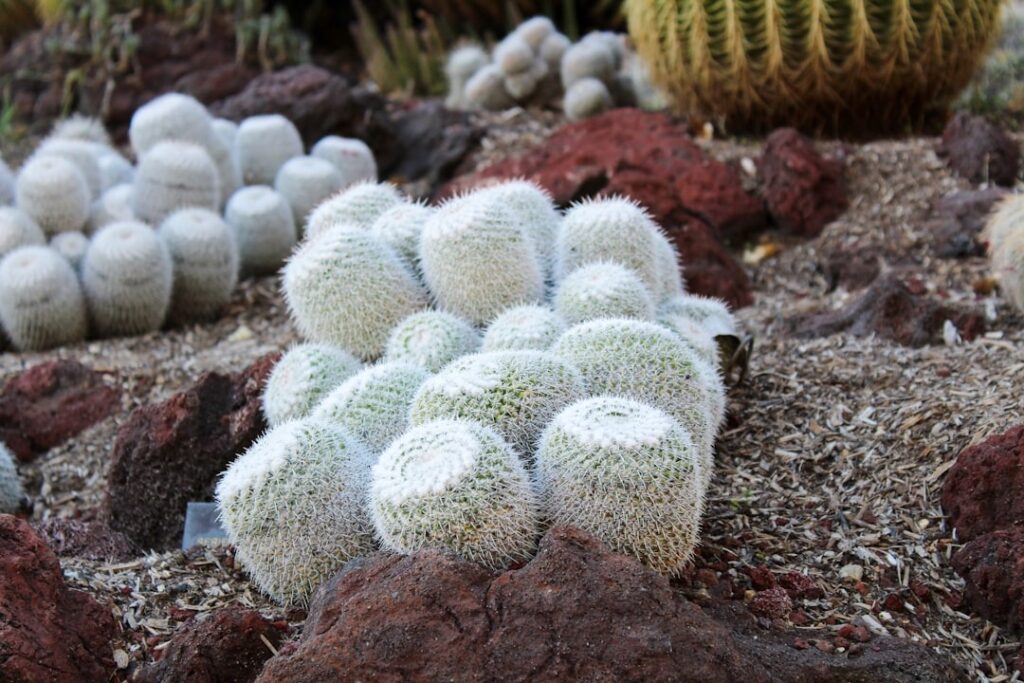
by Courtney Michelle (https://unsplash.com/@courtneymichelle)
Drought-tolerant landscaping, or xeriscaping, is a technique that focuses on reducing the need for supplemental water in garden design. This is particularly beneficial in areas prone to drought or with limited water resources.
Benefits of Xeriscaping
- Reduced Water Usage: By selecting drought-resistant plants and incorporating efficient irrigation systems, xeriscaping can significantly lower water consumption.
- Low Maintenance: Xeriscaped gardens require less maintenance than traditional gardens, as they are designed to thrive in dry conditions.
- Cost Savings: With decreased water bills and reduced need for fertilizers and pesticides, xeriscaping is economical in the long run.
Implementing Xeriscaping
To incorporate xeriscaping into your garden, start by evaluating your landscape and selecting plants that are native to your region. Group plants with similar water needs together to optimize irrigation. Use mulch to retain soil moisture and consider installing a drip irrigation system for efficient water delivery.
Incorporating Native Plants
Native plants play a vital role in sustainable landscaping. They are well-suited to the local environment and require less water, fertilizer, and pesticides. This makes them an ideal choice for creating a low-maintenance garden.
Advantages of Using Native Plants
- Adaptability: Native plants are adapted to the local climate, which means they can thrive with minimal intervention.
- Support for Local Wildlife: These plants provide food and habitat for native wildlife, including birds, butterflies, and bees.
- Reduced Chemical Use: Because they are well-adapted, native plants are less susceptible to pests and diseases, reducing the need for chemical treatments.
Selecting Native Plants for Your Garden
When choosing native plants, consider those that are specific to your area. For example, if you’re in El Paso, look for plants that are native to the region. Consult with local nurseries or extension services to find the best options for your garden.
Eco-Friendly Hardscaping

by Sttefan Prado (https://unsplash.com/@sttefanprado)
Hardscaping refers to the non-living elements of your garden, such as walkways, patios, and retaining walls. When designing your outdoor space, opt for eco-friendly hardscaping materials to minimize environmental impact.
Sustainable Hardscaping Options
- Recycled Materials: Use recycled concrete, glass, or wood for your hardscaping projects. These materials reduce waste and promote recycling.
- Permeable Paving: This type of paving allows water to seep through, reducing runoff and promoting groundwater recharge.
- Natural Stone: Choose locally sourced stone to reduce transportation emissions and support local businesses.
Backyard Sustainability and Landscape Conservation Techniques
Creating a sustainable backyard involves more than just plant selection. It’s about implementing landscape conservation techniques that promote resource efficiency and environmental health.
Tips for a Sustainable Backyard
- Composting: Start a compost pile to recycle garden waste and kitchen scraps. Compost enriches the soil and reduces the need for chemical fertilizers.
- Rainwater Harvesting: Install rain barrels to collect rainwater for garden use. This conserves water and reduces your reliance on municipal supplies.
- Edible Landscaping: Incorporate fruit trees, vegetable gardens, and herbs into your landscape design for a productive and sustainable outdoor space.
- Energy-Efficient Lighting: Use solar-powered or LED lights to illuminate your garden, reducing energy consumption.
Conclusion
Sustainable landscaping is a practical and rewarding approach to creating an eco-friendly outdoor space. By incorporating drought-tolerant landscaping, native plants, and eco-friendly hardscaping, you can design a garden that is both beautiful and beneficial to the environment. Embrace the principles of sustainable landscaping and enjoy the many advantages it brings to your outdoor living area. Whether you’re interested in backyard sustainability or landscape conservation techniques, there are countless ways to make your garden a green oasis.