

There is something instantly inviting about a home that feels open, warm, and filled with sunshine. It feels calmer. It feels more spacious. It makes everyday rooms feel a little more special without trying too hard. But here is the thing: creating a home that feels beautifully lit is not just about adding bigger windows.
Large windows can help, of course, but they are only one part of the story. The real difference comes from smart planning. It is about understanding where the sun moves, how each room is used, what views should be highlighted, and how brightness can support comfort throughout the entire day.
For Winton & Associates– Quality Built, Luxury Designed, this kind of planning is part of what makes a custom home feel elevated. A well-designed home should not only look beautiful when the lights are on. It should feel naturally comfortable from morning to evening.
Bigger Windows Are Not Always the Full Answer
It is easy to assume that more glass automatically means a better result. In reality, oversized windows placed without intention can create glare, heat, privacy issues, and uneven room temperatures.
A room can have plenty of glass and still feel uncomfortable if the sun hits at the wrong time of day. Another room may have smaller openings but feel perfectly balanced because they are positioned with care.
That is why smarter architectural planning matters. The goal is not simply to bring in more sunshine. The goal is to bring it in the right way.
A great plan considers:
- How the home sits on the lot
- Which rooms need morning brightness
- Which areas should avoid harsh afternoon heat
- Where privacy matters most
- How outdoor views connect with indoor comfort
- How materials reflect or soften incoming brightness
When all of these details work together, the home feels effortless.
Start With the Direction of the Home
Before choosing finishes or fixtures, one of the most important decisions is how the home is oriented. Direction affects almost everything: warmth, mood, visibility, comfort, and even how certain rooms are used throughout the day.
A breakfast area may feel better with gentle morning exposure. A living room may need balanced brightness without becoming too warm. A bedroom might benefit from softer illumination that feels peaceful instead of intense. A home office needs enough visibility for focus, but not so much glare that working becomes uncomfortable.
This is where a thoughtful window placement strategy becomes essential. It is not just about where openings look best on an elevation. It is about how each one affects the experience inside the home.
The right placement can make a hallway feel less closed off, a kitchen feel more welcoming, or a primary suite feel more connected to the outdoors. It can also reduce the need for artificial brightness during certain parts of the day, which adds comfort and efficiency.
Design Each Room Around Its Real Purpose
Every room has a different rhythm. The kitchen is active and social. The living area is often flexible and relaxed. Bedrooms need calm. Bathrooms need privacy but should still feel fresh. Workspaces need clarity and focus. That means every room deserves its own approach.
For example, a kitchen often benefits from generous illumination near prep areas, but glare on countertops can be distracting. A dining room may feel more elegant with softer brightness that changes throughout the day. A family room should feel inviting without making screens hard to see. A primary bathroom may need privacy glass, clerestory openings, or carefully positioned openings that bring in softness without exposure.
The most successful homes are designed around real habits, not generic assumptions.
Ask questions like:
- Where will people spend the most time during the day?
- Which areas should feel energetic?
- Which rooms should feel calm and tucked away?
- Where will privacy be important?
- What views should be framed?
- Which spaces need a softer atmosphere?
These answers help shape a home that feels personal, not copied.
Use Daylight as a Design Material
Sunshine is not just something that enters a room. It can become part of the design itself.
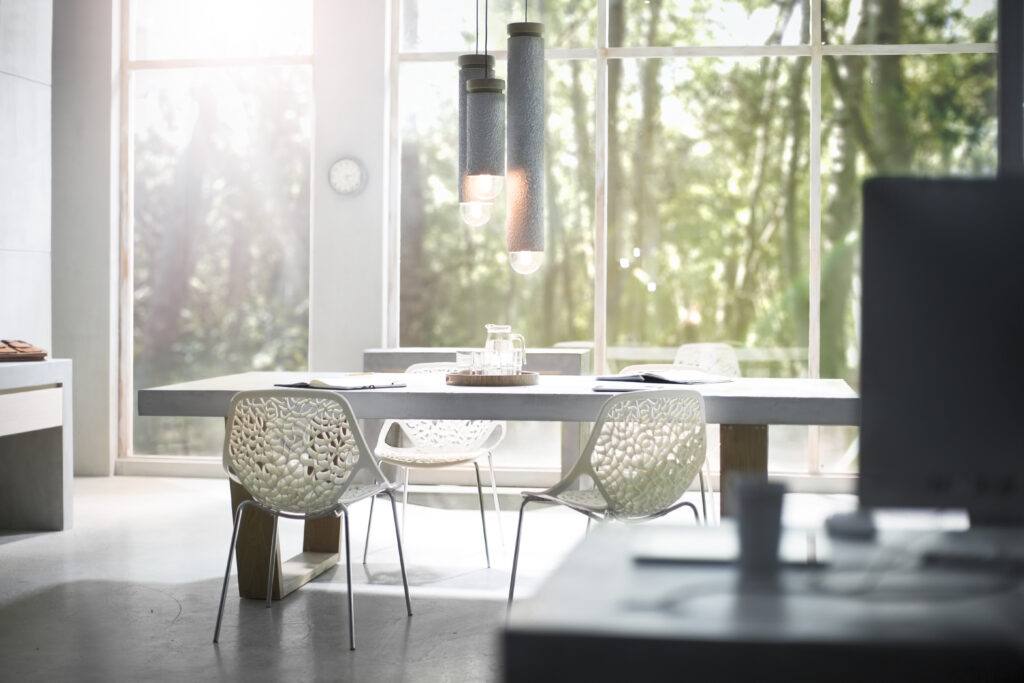
It changes textures. It warms wood tones. It brings depth to stone. It makes soft neutrals feel layered instead of flat. It also helps create a natural rhythm inside the home, shifting gently as the day moves forward. That is one reason daylighting in custom homes has become such an important part of thoughtful residential design. When planned correctly, it supports both beauty and everyday function.
A custom approach allows each area to be considered individually. Instead of forcing the same window style or size throughout the whole home, the design can respond to each room’s purpose, proportion, and view.
Some areas may call for tall openings. Others may work better with narrow vertical windows, transoms, skylights, or carefully placed upper-level features. The goal is to make every room feel intentional.
Balance Beauty With Comfort
A sun-filled room is wonderful, but comfort still matters. Too much direct exposure can make a space feel hot, washed out, or difficult to use. The best design finds the balance between openness and control.
That may include overhangs, shaded outdoor areas, covered patios, glass selection, room depth, ceiling height, and interior finishes that help soften brightness.
The goal of energy-efficient natural lighting is to create a home that feels lighter and more comfortable without overworking heating and cooling systems. When the home is planned well, daily living feels smoother and more balanced.
This kind of design can support:
- Lower daytime dependence on artificial fixtures
- Better indoor comfort across different seasons
- Reduced glare in everyday activity areas
- A softer, more natural mood in gathering spaces
- Smarter temperature control in sun-facing rooms
- A stronger connection between indoor and outdoor living
It is not only about how the home looks. It is about how it performs.
Layer Sunlight With Interior Fixtures
Even the best daytime planning needs support after sunset. That is where the overall lighting plan becomes important.
A home should feel just as welcoming in the evening as it does during the day. The transition should feel smooth, not harsh. A room that feels soft and inviting at noon should not suddenly feel flat or overly bright at night.
This is where architectural lighting design comes in. Recessed fixtures, pendants, sconces, under-cabinet features, accent illumination, and dimmers all help create layers.
A good plan usually includes three levels:
- Ambient lighting for overall visibility
- Task lighting for cooking, reading, grooming, or working
- Accent lighting to highlight texture, art, cabinetry, or architectural details
When these layers are planned from the beginning, they feel built into the home rather than added later. The result is more polished, more comfortable, and much easier to enjoy.
Choose Materials That Work With the Light
The surfaces inside a home can either enhance or fight the brightness coming in. Flooring, paint, tile, cabinetry, stone, and hardware all interact with it differently.
Light-colored walls can help bounce softness through a room. Matte finishes can reduce glare. Warm wood can make sunny areas feel grounded. Textured materials can create beautiful shadow play. Darker accents can add contrast so a space does not feel washed out.
This is especially important in open areas, where one room visually connects to another. Materials should feel consistent enough to create flow, but layered enough to avoid feeling plain.
The right choices can help create bright interior spaces that still feel warm, rich, and livable.
Think About the View, Not Just the Opening
A well-placed opening does more than bring in brightness. It frames a moment. Maybe it captures trees outside the dining area. Maybe it gives the kitchen a view of the backyard. Maybe it brings a glimpse of the sky into a stairway. Maybe it turns an ordinary hallway into something memorable.
These small moments make a custom home feel more thoughtful. They create visual pauses throughout the day and help the home feel connected to its surroundings.
For Winton & Associates– Quality Built, Luxury Designed, these are the kinds of details that elevate a home beyond standard construction. It is not only about building rooms. It is about shaping the way those rooms feel.
Final Thoughts
A beautifully planned home does not depend on one oversized feature to feel open and welcoming. It comes from smart decisions made early, from the way the home sits on the land to the way each room supports daily life.
The best results feel easy, calm, and natural. Rooms feel warmer. Transitions feel smoother. Materials look richer. Everyday routines feel more enjoyable.
That is the value of working with Winton & Associates– Quality Built, Luxury Designed: creating a home that feels carefully considered from every angle, with comfort and beauty working together in a way that feels completely effortless.