

A luxury home should feel beautiful, of course. But more than that, it should feel calm. It should give everyone room to breathe, focus, rest, talk, work, play, and recharge without the whole house feeling like one big shared soundtrack. For families, that matters a lot.
One person may be on a video call, someone else may be watching a movie, kids may be playing upstairs, and another person may just want a few minutes of peace. In a thoughtfully designed home, all of those things can happen at the same time without creating tension.
That is where Winton & Associates– Quality Built, Luxury Designed brings real value. A well-built luxury home is not just about what people see. It is also about what they feel, and sound plays a major role in that daily experience.
Why Peace and Privacy Matter More Than Ever
Modern homes are doing more jobs than they used to. They are not only places to sleep and gather. They are offices, study areas, entertainment spaces, wellness corners, guest retreats, and family hubs.
Because of that, sound can quickly become one of the biggest comfort factors in a home. A beautiful open layout may look amazing, but if every conversation, footstep, or appliance sound travels through the house, daily life can feel less relaxing.
The goal is not to make a home completely silent. That would feel unnatural. The goal is to create balance, so active areas can stay lively while restful areas stay protected.
A peaceful home gives families:
- More privacy between bedrooms, offices, and shared areas
- Better focus for work, study, and remote meetings
- More comfortable entertainment zones
- Less stress from everyday household activity
- A stronger sense of retreat in personal rooms
- Better separation between public and intimate areas
Luxury is not only about finishes. Sometimes, it is about being able to close a door and actually feel the difference.
Sound Planning Should Start Early
Sound comfort is much easier to plan during the design and building stage than to fix later. Once walls are closed, flooring is installed, and rooms are finished, making major changes can become complicated.
That is why acoustic planning should be part of the conversation from the beginning. Room placement, wall assemblies, insulation, window quality, flooring choices, ceiling details, and door selection can all affect how sound moves.
A media room next to a bedroom may not be ideal. A laundry room close to a work area may create distractions. A playroom above a main suite may need extra planning. Even a beautiful staircase can carry sound if the surrounding spaces are too open.
With Winton & Associates– Quality Built, Luxury Designed, the focus is on building homes that support real life. That means thinking about how the family will use each area, not just how the floor plan looks on paper.
The Role of Insulation in a Calmer Home
When people think of insulation, they usually think about temperature. But insulation can also play a big role in how comfortable a home sounds.
Well-planned acoustic insulation homes help reduce sound transfer between rooms, floors, and shared walls. This is especially helpful around bedrooms, bathrooms, offices, theaters, laundry areas, mechanical rooms, and children’s spaces.
The right approach may include insulation inside interior walls, extra attention between floors, and careful sealing around gaps where sound could travel. Even small openings around outlets, doors, or framing can make a difference.
Key areas to consider include:
- Bedroom walls near active zones
- Home offices used for calls or focused work
- Bathrooms located near gathering areas
- Laundry rooms with regular appliance noise
- Game rooms, playrooms, or entertainment rooms
- Guest suites that should feel separate and comfortable
- Mechanical areas that need better sound separation
These details are not flashy, but they make a home feel noticeably better every day.
Construction Choices That Reduce Everyday Distractions
A quieter home is not created by one product or one upgrade. It comes from a combination of smart building choices working together.
That is where noise reduction construction becomes important. It can include upgraded wall systems, solid-core doors, better window installation, thoughtful HVAC planning, and flooring materials that help soften movement.
For example, footsteps from an upper floor can become distracting if the structure and materials are not planned properly. A large open room can echo if there are too many hard surfaces. A bedroom can feel less restful if it shares a wall with a busy area.
Good construction helps control those issues before they become daily annoyances.
It is not about making the home feel heavy or closed off. It is about creating a more comfortable rhythm from one room to another.
Designing Zones for Real Family Life
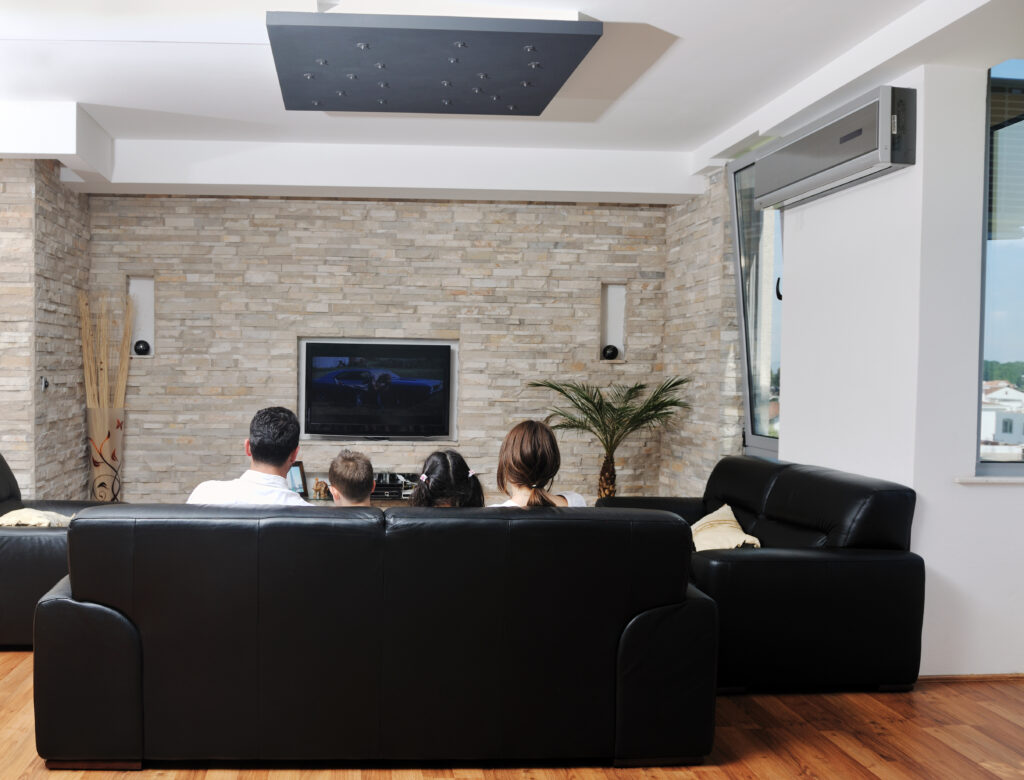
Every family has its own sound patterns. Some homes are lively and social. Others need more separation because of work schedules, young children, guests, or multigenerational living. That is why layout matters so much.
Bedrooms should feel protected from high-traffic areas. Workspaces should not be directly exposed to the busiest parts of the home. Entertainment rooms should be placed where volume will not disturb quieter zones. Guest areas should feel welcoming but still separate enough for comfort.
Smart zoning can create better flow and better privacy without making the home feel disconnected.
Helpful planning choices may include:
- Placing bedrooms away from major gathering areas
- Using hallways or storage spaces as natural buffers
- Separating entertainment rooms from sleeping areas
- Locating offices away from kitchens and play areas
- Designing guest suites with added privacy
- Using closets, bathrooms, or utility rooms between louder and calmer spaces
These decisions help the home feel more relaxed because each area has a clear purpose.
Materials Make a Big Difference
Sound behaves differently depending on the materials in a room. Hard surfaces reflect it. Soft surfaces absorb it. Large open spaces can amplify it. Smaller, layered rooms can make it feel more controlled.
In a luxury home, materials should be chosen for both beauty and performance. Wood, stone, tile, glass, and metal can look stunning, but they need balance. Rugs, upholstered furniture, drapery, textured wall treatments, cabinetry, and ceiling details can help soften the overall feel.
That does not mean the home has to look overly decorated. It simply means each room should have enough texture to feel warm and livable.
A large family room, for example, may benefit from soft seating, built-ins, area rugs, and layered window treatments. A home theater may need deeper wall treatment and special ceiling planning. A bedroom may feel calmer with plush flooring, heavier doors, and carefully selected finishes. This is where quiet home design solutions become part of the overall luxury experience. They support comfort without taking away from style.
Privacy Is a Luxury Feature
In a busy household, privacy is not always about being alone. Sometimes it is about having the freedom to enjoy your own activity without disturbing someone else.
A parent can take a call while kids play nearby. A guest can sleep comfortably while others gather in the kitchen. A teenager can listen to music without the whole house hearing it. Someone can enjoy a bath, read, work, or rest with fewer interruptions.
That is the real value of sound control in luxury homes. It gives everyone more flexibility.
A high-end home should feel connected when people want to be together and protected when they need space. That balance is what makes the home easier to enjoy.
Creating Personal Retreats Throughout the Home
Not every peaceful space has to be a bedroom. A reading nook, office, guest suite, sitting area, wellness room, or lower-level lounge can all become quiet retreats when designed with intention.
The best private living spaces feel tucked away without feeling isolated. They are easy to use, comfortable to spend time in, and separated enough to offer a real change in mood.
These areas may include:
- A study with solid doors and soft finishes
- A primary suite placed away from active rooms
- A lower-level lounge for movies or games
- A guest room with added separation
- A small retreat near natural light
- A wellness area designed for calm routines
When a home offers these kinds of spaces, it becomes more adaptable. Everyone has somewhere to go, whether they want connection or calm.
Final Thoughts
A truly refined home is not only seen. It is experienced in the small moments that make everyday life feel easier. It is the calm bedroom at the end of a long day. The office where focus comes naturally. The guest suite that feels comfortable and separate. The family room where people can gather without overwhelming the rest of the house.
For Winton & Associates– Quality Built, Luxury Designed, thoughtful building means paying attention to the details that shape comfort, privacy, and long-term enjoyment. Because when a home is designed with real life in mind, it does more than look impressive. It feels good to live in.