

In today’s world, the home office has become an essential part of our lives. Whether you’re a remote worker, freelancer, or someone who occasionally works from home, having a well-designed home office can make a significant difference in your productivity and comfort. A well-crafted workspace not only supports your professional endeavors but also enriches your personal life by promoting a harmonious work-life balance.
The rise of telecommuting has shifted the dynamics of traditional work environments, making it crucial for individuals to curate a home office that caters to their unique needs. The design of your home office can influence how you manage your time, handle stress, and maintain motivation throughout the day. Therefore, it’s important to approach home office design with intention and creativity to ensure it becomes a space of productivity and inspiration.
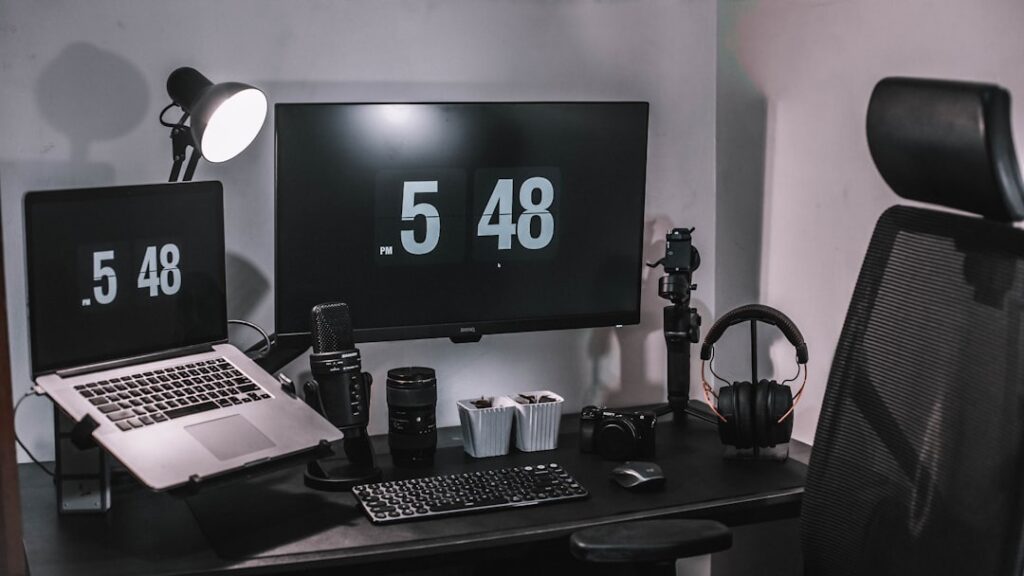
by Ebuen Clemente Jr (https://unsplash.com/@ebuenclemente205)
Remote work is more common now than ever before, with technology enabling seamless communication across the globe. This shift has highlighted the importance of having a dedicated space at home where you can focus and be productive. A well-thought-out home office design can help you maintain a work-life balance and improve your efficiency. The trend of remote work is not just a temporary solution but a new norm that requires thoughtful adaptation in our living spaces.
The flexibility of remote work allows people to tailor their environments to their personal preferences and work styles. This autonomy can lead to increased job satisfaction and a more balanced lifestyle. However, without a dedicated workspace, the boundaries between work and home life can blur, leading to potential burnout. By creating a designated area for work, you establish a psychological separation that can enhance your overall well-being and work performance.
The Benefits of a Well-Designed Home Office
A thoughtfully designed home office offers several benefits. It can increase your productivity, reduce stress, and even promote better physical health. By investing time and effort into designing your home workspace, you’re investing in your own well-being and success. A carefully arranged office space can serve as a catalyst for achieving your professional goals, while simultaneously fostering a sense of personal fulfillment.
Moreover, a well-designed home office can become a sanctuary for focus and creativity. It reflects your personal style, which can be a source of motivation and inspiration. When your workspace aligns with your aesthetic preferences and functional needs, it becomes easier to immerse yourself in tasks and maintain a positive outlook. The sense of ownership and pride in your work environment can significantly impact your attitude towards work and enhance your overall performance.
Key Elements of Home Office Design
Ergonomic Home Offices

by Akash Banerjee (https://unsplash.com/@tifitis)
Ergonomics is a crucial factor in home office design. An ergonomic setup can prevent discomfort and long-term health issues. Consider investing in an ergonomic chair that supports your posture and a desk at the right height to keep your arms parallel to the floor. Proper ergonomics not only safeguards your physical health but also contributes to sustained productivity by minimizing fatigue and discomfort.
Additionally, incorporating ergonomic accessories such as keyboard trays, monitor stands, and footrests can further enhance the functionality of your workspace. These elements work together to create an environment that supports your body’s natural alignment, reducing the risk of repetitive strain injuries. Investing in ergonomics is a proactive measure that pays dividends in terms of comfort and efficiency over time.
Home Workspace Organization
Keeping your workspace organized is key to maintaining focus. Use organizers, shelves, and storage solutions to keep your desk tidy. A clutter-free environment can help you concentrate better and work more efficiently. An organized workspace not only enhances your ability to locate essential items quickly but also fosters a sense of calm and control.
Consider implementing a filing system for documents and digital tools to manage electronic files efficiently. By categorizing and labeling items, you can streamline your workflow and reduce time spent searching for information. An orderly environment encourages a disciplined approach to work, allowing you to prioritize tasks effectively and maintain momentum throughout the day.
Compact Office Layouts
Not everyone has a large space to dedicate to a home office. Compact office layouts can help you make the most of a small area. Consider using foldable desks, wall-mounted shelves, and multifunctional furniture to maximize your space. Small spaces can be transformed into functional and inviting workstations with a little creativity and planning.
Strategically utilizing vertical space is key in compact office layouts. Wall-mounted storage solutions and pegboards can provide ample room for supplies without encroaching on valuable floor space. Additionally, choosing furniture with built-in storage can help keep the area organized and free from clutter. By optimizing every inch of your workspace, you can create an environment that supports productivity and creativity, regardless of its size.
Modern Office Furniture
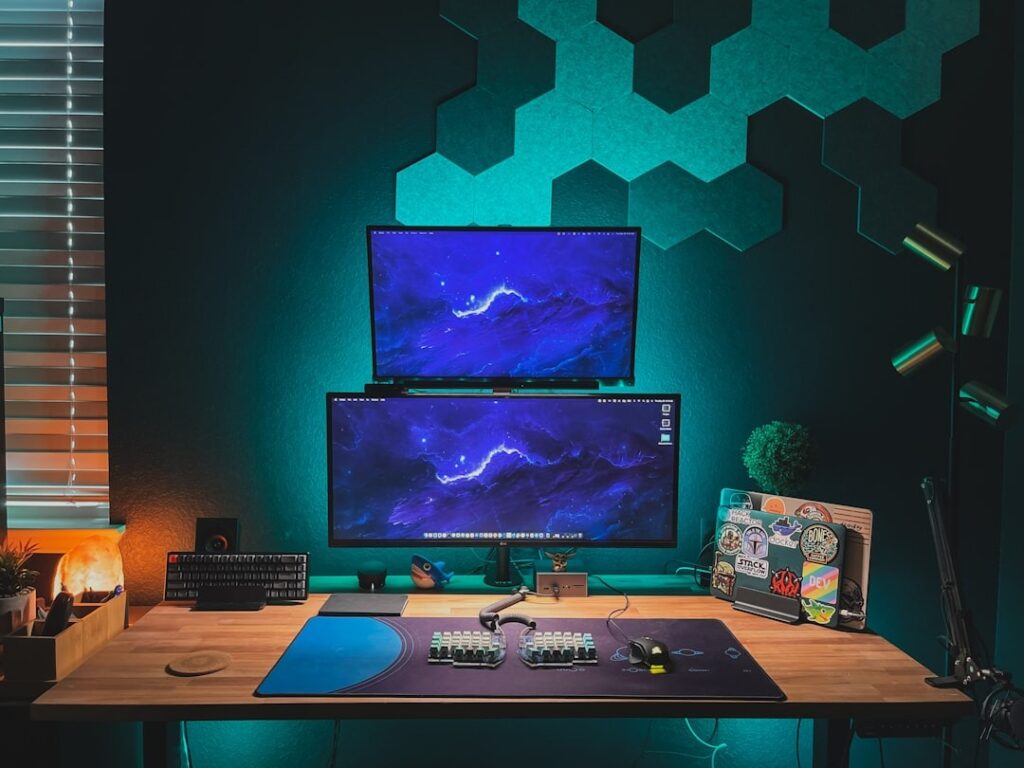
by Zachary Nelson (https://unsplash.com/@zach_codes)
Modern office furniture can enhance the aesthetics and functionality of your home office. Look for pieces that match your style and provide comfort. A visually appealing workspace can have a positive impact on your mood and productivity. The right furniture not only elevates the look of your office but also ensures that you remain comfortable and focused during long work sessions.
When selecting modern office furniture, consider its versatility and adaptability to your changing needs. Modular furniture systems that can be reconfigured or expanded offer flexibility as your work requirements evolve. Prioritizing quality and durability ensures that your investment in furniture will stand the test of time, providing you with a reliable and stylish foundation for your work environment.
Creating a Flexible Work Environment
Multifunctional Rooms
If you don’t have a separate room for a home office, consider creating a multifunctional space. A corner of your living room or bedroom can double as a workspace. Use dividers or curtains to create a sense of separation and privacy. Multifunctional rooms allow you to optimize your living space without compromising on comfort or efficiency.
Incorporating smart storage solutions can help maintain the functionality of these shared spaces. Furniture that doubles as storage, such as ottomans or benches, can keep your workspace organized without encroaching on personal areas. By thoughtfully designing multifunctional rooms, you can create a dynamic and adaptable environment that supports both work and leisure activities.
Remote Work Spaces
Remote workspaces need to be adaptable. Your home office should allow you to easily switch between tasks. Consider using adjustable furniture and movable storage to create a flexible environment that suits your needs. Flexibility in a workspace encourages a seamless transition between different roles and responsibilities.
In a remote work setting, the ability to reconfigure your space quickly can enhance productivity and creativity. Movable partitions or rolling desks can redefine the layout of your office based on your current projects. This adaptability ensures that your workspace remains conducive to productivity, regardless of the demands of your workday.
Productivity-Enhancing Designs
Design your home office with productivity in mind. Use colors that boost your mood, such as blues and greens, and ensure your workspace is well-lit. Natural light is ideal, but if that’s not possible, invest in good quality lighting. The ambiance of your workspace significantly affects your ability to concentrate and maintain motivation.
Incorporating elements such as artwork or motivational quotes can create an inspiring atmosphere that fuels creativity and determination. Additionally, maintaining a balance between aesthetics and functionality ensures that your workspace remains both inviting and efficient. By prioritizing productivity-enhancing designs, you set the stage for a work environment that supports your best efforts.
Efficient Home Study Areas
Setting Up an Efficient Workspace
An efficient workspace is organized, comfortable, and free of distractions. Position your desk near a power outlet and ensure your internet connection is strong. Keep frequently used items within reach to minimize distractions. An efficient workspace is a cornerstone of productivity, enabling you to focus on tasks without unnecessary interruptions.
Consider the placement of your equipment to optimize workflow and accessibility. Cable management solutions can help keep cords organized and out of sight, reducing visual clutter and potential hazards. By fine-tuning the setup of your workspace, you create an environment that promotes sustained focus and efficiency throughout your workday.
Personalizing Your Space
Personalize your home office to make it a place you enjoy spending time in. Add plants, artwork, or personal items that inspire you. A personalized space can increase your motivation and creativity. Your workspace should be a reflection of your personality and preferences, fostering a sense of ownership and comfort.
Incorporating elements that resonate with you on a personal level can create a positive emotional connection to your workspace. Whether it’s family photos, travel souvenirs, or cherished mementos, these touches can enhance your sense of belonging and well-being. A personalized office becomes more than just a functional space; it transforms into a sanctuary for creativity and inspiration.
Tips for Designing a Home Office
- Plan Your Layout: Before buying furniture, plan your layout to ensure everything fits comfortably. Consider the flow of the room and how you’ll move around your space. Thoughtful planning prevents overcrowding and ensures a cohesive design that supports your workflow.
- Invest in Quality: Invest in quality furniture and equipment. It may cost more upfront, but it will be more durable and comfortable in the long run. Quality investments pay off in terms of longevity and user satisfaction, enhancing your work experience.
- Consider Noise Levels: Choose a location that minimizes noise distractions. Use rugs, curtains, or soundproof panels if necessary. Sound management is crucial for maintaining focus and concentration, especially in shared or busy environments.
- Stay Connected: Ensure your home office has a reliable internet connection. Consider a dedicated line if you experience frequent disruptions. A stable connection is essential for seamless communication and efficient task execution.
- Regularly Declutter: Make it a habit to declutter your workspace regularly. A clean and organized space can help you stay focused and productive. Regular decluttering prevents the accumulation of unnecessary items and promotes a sense of order and clarity.
Conclusion
Designing a productive home office involves more than just setting up a desk and chair. By considering factors like ergonomics, organization, and aesthetics, you can create a workspace that enhances your productivity and well-being. Whether you have a dedicated room or a multifunctional space, the key is to make it work for you. So, take the time to design a home office that meets your needs and style, and watch your productivity soar. A well-designed home office is an investment in your future success, providing a foundation for personal and professional growth.